Why Sales Reps Quit (And What to Do About It)
How to build the systems that will help retain your reps, lower turnover, and improve team culture.
 Spencer OuzounianVP of Revenue at Enzy
Sales rep turnover is one of the most expensive problems a sales organization can face, and it is one that most organizations consistently underestimate. If you’ve ever run a sales organization yourself, you know the pain I’m talking about.
Having managed door-to-door sales teams and now working with sales organizations across multiple verticals at Enzy, I have seen this from both sides. The reasons reps quit are fairly consistent across industries, and most of them are preventable with the right approach to onboarding, culture, and day-to-day management.
Whether you’re recruiting reps for the first time or have been facing these struggles for years, this guide will help you recruit like you need.
The Real Reasons Salespeople Quit
When reps leave, they usually give a surface-level reason: Better opportunity, personal circumstances, etc. These are rarely the whole story.
The deeper reasons are almost always about the day-to-day experience of working on the team. Reps quit when they feel their effort goes unrecognized and they have no clear sense of how they are performing relative to their potential. They also quit when they feel they cannot see a path to growth or improvement because no one is coaching them on an individual basis.. They quit when they are in a stagnant culture where everyone around them seems to be going through the motions.
They also quit when onboarding fails them. A rep who spends their first 60 days confused, undertrained, and unable to produce results will often leave before they ever reach their potential. And because most of the reps who leave in that window do so quietly, without confrontation, organizations often miss the signal entirely.
Pay matters, but it is usually not the primary driver of voluntary turnover in well-run sales organizations. When pay is the stated reason for leaving, it is often a proxy for feeling undervalued, which is a culture and recognition problem more than a compensation problem.
Turnover Rate Starts at Recruiting
Most turnover conversations start too late. From my experience, once a manager sees that a rep is disengaged, the outcome is already determined. The turnover problem actually starts at the recruiting stage, and specifically with a mismatch between what the role is presented as and what it actually is.
I found that a big reason reps quit early in D2D sales is that managers like to sugarcoat things. They’ll paint this picture like “Hey, if you come out this summer, you’ll make a quick $60k and everyone’s happy.” Instead, I like to set proper expectations, like “We’re going out for three months. We’re staying out there. No vacations during the summer, we’re knocking doors twelve hours a day.” There’s no silver bullet to get perfect rep retention, but being sure to not sugarcoat the job description will help a lot.
It also means being honest in the interview process about what the life of a rookie rep really looks like. But, just remember, no matter how much preparation they get, nothing can prepare them for their first day, their first door, or their first big rejection.
How to Fix Onboarding
Even with great recruiting, onboarding is where a significant portion of preventable turnover happens. The first 60 to 90 days are the highest-risk window in a rep's tenure, and most organizations do not invest in this period in proportion to the cost of losing someone in it.
When sales leaders are coming to Enzy looking for a sales platform, what they are really looking for is a system. When you build the right system, you can minimize turnover.
How to Build a System
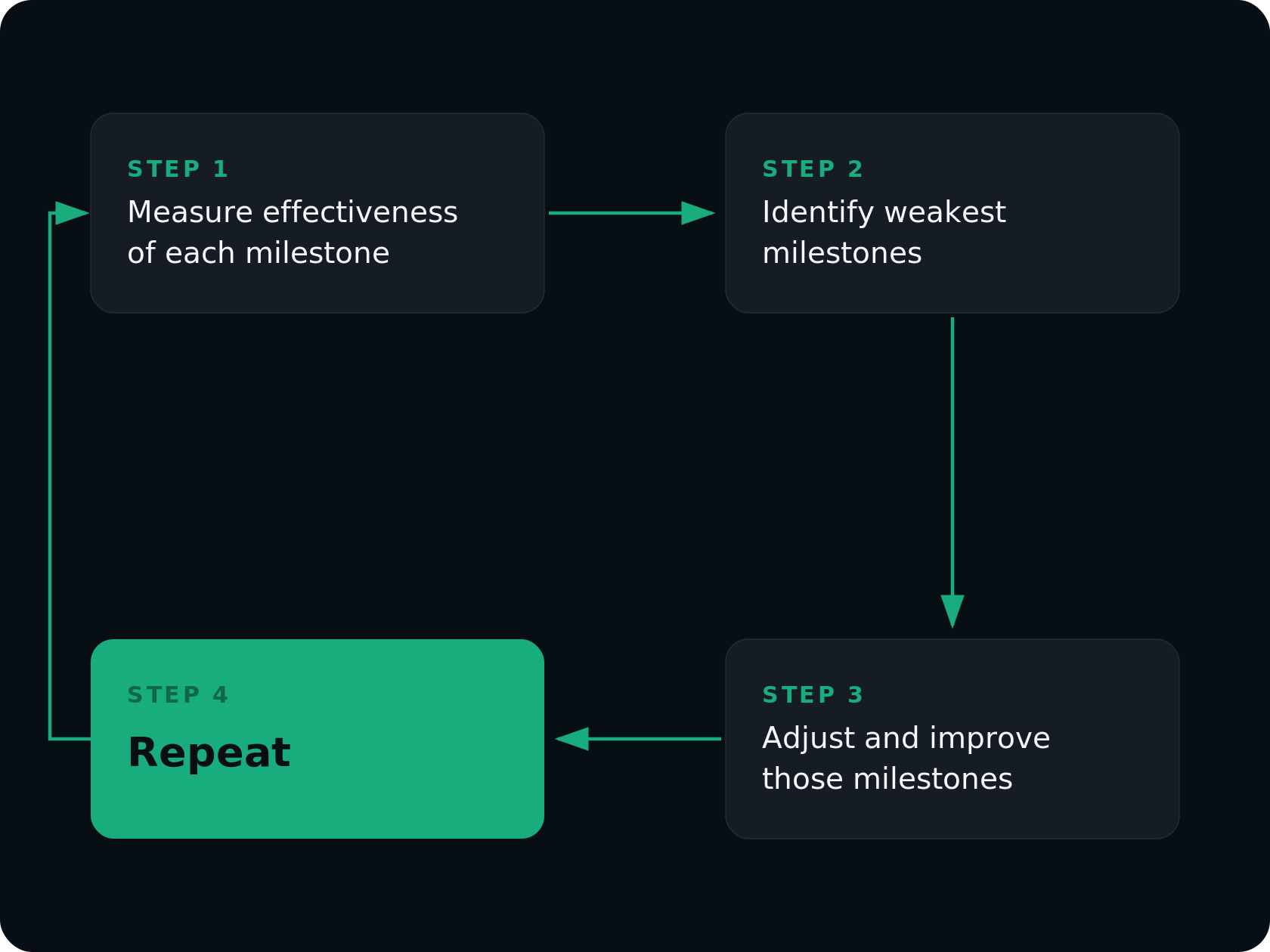
If you’re building your onboarding system from scratch, start by mapping out every milestone in the journey: welcome bonus, team swag, contract sent and signed, whatever they might be. From there, run this four-step process until your onboarding is a well-oiled machine:
- Measure effectiveness of each milestone
- Identify weakest milestones
- Adjust and improve those milestones
- Repeat
Measure What’s Actually Working
What I mean by this is that not every milestone moves the needle equally. The goal is to identify which ones positively impact rep buy-in, culture, and training retention. This will also help you identify which milestones are lacking.
Identify Weakest Milestones
If your swag is cheap and doesn’t make your rookies feel like they’re part of the team, that is not helping you achieve your goals. If your training comes at your reps like a firehose and they can’t keep up, they won’t feel confident in their ability to sell.
Adjust and Improve Those Milestones
Once you’ve identified checkpoints that are lacking, make some adjustments and see what happens. Over time you will notice that your onboarding process not only gets your reps up to speed, but converts them into sales professionals who want to be a part of your culture and make it better.
What Keeps Reps Around
Retention at its core is about making the job feel worth staying for beyond the paycheck. The organizations with the lowest turnover I have observed share a few consistent characteristics.
Recognition culture is probably the most consistent differentiator. Teams where wins are acknowledged publicly and consistently, where a rep closing a deal or hitting a milestone gets immediate and visible recognition, create an environment where effort feels valued. This is not expensive to build. It is mostly a matter of making recognition systematic rather than occasional.
Growth visibility matters enormously as well. Reps who can see a clear path to advancement, whether that is a senior rep designation, a team lead role, or increased earning potential tied to specific performance milestones, are dramatically more likely to stay than reps who feel like they are in a static position with no upward trajectory.
Belonging to a high-performing team is also a powerful retention driver that is easy to underestimate. Reps who are proud of the team they are on, who feel like they are competing alongside people who push them to be better, are much less susceptible to being recruited away by a marginally higher base salary. Culture is sticky in a way that compensation is not.
And finally, feeling seen by their manager. Not managed, not monitored, but genuinely coached by someone who understands their specific situation and is invested in their development. This requires the kind of specific, data-driven coaching described earlier, but the retention payoff is significant.
The Cost of Getting This Wrong
The cost of rep turnover is consistently underestimated because most organizations only count the obvious expenses: recruiting fees, training time, and the revenue gap while the role is open. The full picture is considerably more expensive.
Research on sales rep replacement costs puts the figure at roughly 1.5 to 2 times the rep's annual compensation when you account for recruiting, onboarding, ramp time, lost productivity, and the management bandwidth consumed by the transition. For a rep earning $60,000 a year, that is a $90,000 to $120,000 cost to replace them. For organizations running high-turnover environments with dozens of reps, these costs compound quickly into a structural drag on growth.
Beyond the direct costs, high turnover damages culture in ways that are harder to quantify but no less real. Every departure sends a signal to the reps who stay. Each rep that leaves is another chink in the armor of a strong company culture.
Conclusion
Reducing sales rep turnover is not primarily a compensation problem. It is a culture, onboarding, and management problem. Organizations that invest in building environments where reps feel visible, recognized, and genuinely coached see retention improve as a natural byproduct. The financial and cultural returns on that investment are substantial.
The starting point is being honest about where your current turnover is coming from. Is it a recruiting mismatch? Onboarding failure? A culture that does not recognize or retain high performers? The answer will be different for every organization, but the question is worth asking carefully.
Build a Team People Want to Stay On
Enzy helps sales organizations build the kind of performance culture that keeps reps engaged, recognized, and motivated to stay. From real-time visibility to automated recognition and structured competition, the platform is designed around what actually drives retention in high-performance sales teams. Book a demo to see how it works.